
If you manage a commercial portfolio, you already know the frustration. Version conflicts. Broken formulas. Email chains asking which file is correct. Asset managers are updating lease expirations in one spreadsheet while finance rebuilds projections in another.
Spreadsheets once worked. But as portfolios grow, they introduce risk instead of control.
That is why many operators are adopting real estate software for commercial portfolios instead of relying on disconnected Excel files. Modern systems centralize lease data, automate reporting, and provide real-time performance visibility across assets, lenders, and investors.
For commercial real estate teams across the USA managing office, retail, industrial, or mixed-use properties, this shift is about improving accuracy, protecting value, and building scalable infrastructure.

Spreadsheets are flexible tools. They were never designed to support enterprise portfolio oversight.
As commercial portfolios expand, three consistent problems appear.
Different departments maintain their own models. Leasing tracks expirations. Asset management monitors performance. Finance runs forecasts separately.
Without a unified system, inconsistencies grow. One update fails to sync. A formula is overwritten. A rent escalation is missed.
Small errors become reporting discrepancies. Reporting discrepancies erode confidence.
Commercial property management requires constant updates. New leases are signed. Amendments are executed. CAM reconciliations shift. Capital expenditures change projections.
When your team relies on spreadsheets, every update requires manual adjustment across multiple files.
Over time, reporting becomes reactive instead of strategic.
Executives and investors need clarity. They want accurate NOI forecasts, lease rollover exposure, and portfolio-level performance metrics.
Spreadsheets provide snapshots. They do not provide structured oversight.
Without modern real estate software for commercial portfolios, leadership decisions are often made using delayed or partially reconciled data.
Growing commercial portfolios require structure.
Teams need a system that centralizes lease data and integrates it directly with financial reporting. When leasing and finance operate inside the same platform, projections adjust automatically as leases change.
This is where platforms like Elevate Solutions come in.
Rather than acting as another reporting layer, Elevate functions as operational infrastructure. Lease administration, asset performance tracking, capital oversight, and reporting live inside a controlled environment designed for commercial real estate.
Instead of rebuilding spreadsheets every month, teams work from one consistent source of truth.
In a structured platform, lease abstracts, escalation schedules, tenant improvement allowances, and renewal options are stored in a standardized format.
When a lease amendment occurs, projections update automatically. Asset managers do not need to adjust multiple models manually.
For firms managing multiple shopping centers, office buildings, or industrial assets, this centralized approach reduces missed escalations and incorrect forecasting.
Investors expect reliable reporting. Lenders require covenant tracking. Development partners need visibility into performance.
With real estate software for commercial portfolios, financial models pull directly from live lease data. That eliminates discrepancies between rent rolls and projections.
Elevate connects asset-level data to portfolio-level reporting so finance teams can generate consistent outputs without recreating assumptions each month.
This improves transparency and builds confidence with capital partners.
Commercial real estate development adds another layer of complexity.
Construction budgets, draw schedules, and lease-up timelines are often tracked separately from stabilized asset performance. When managed in spreadsheets, development reporting becomes disconnected from portfolio reporting.
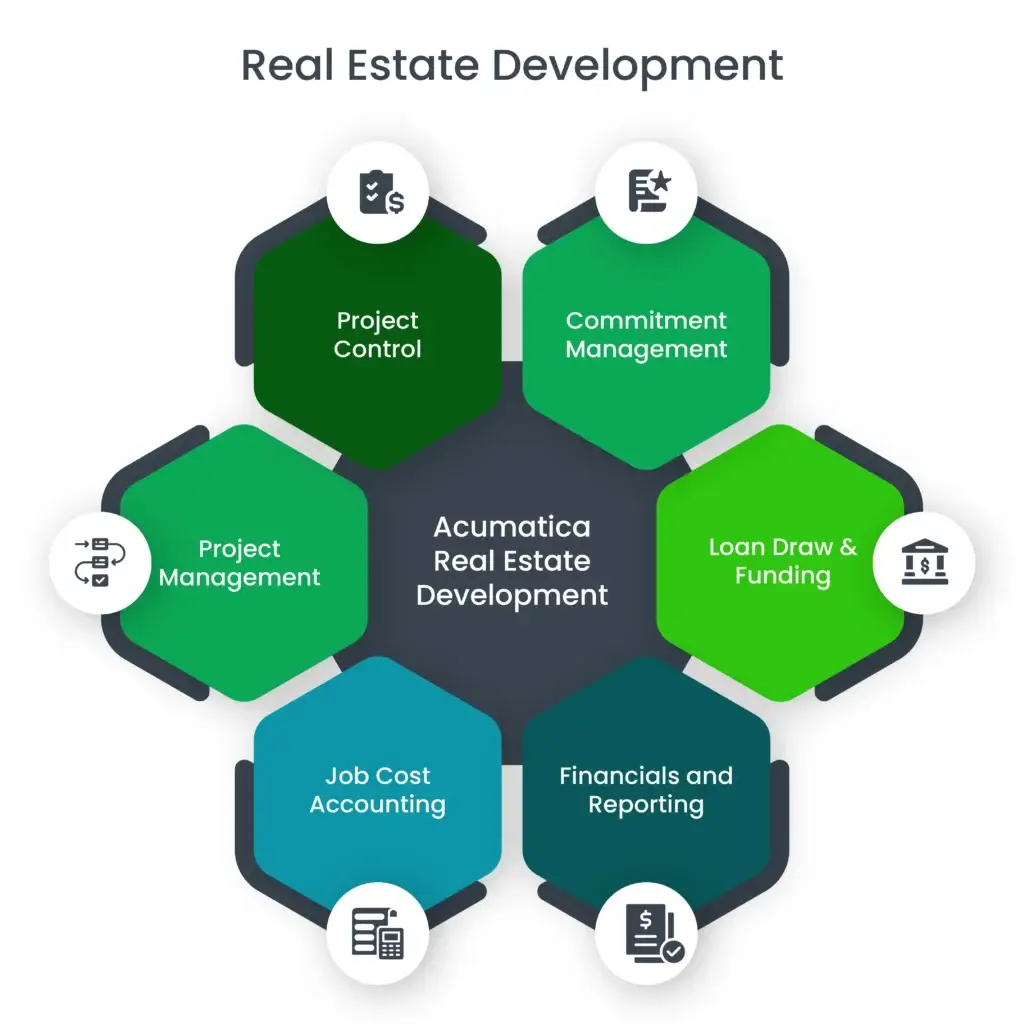
Platforms like Elevate allow development tracking and operational performance to exist in the same environment. Teams can monitor capital deployment while forecasting long-term asset returns.
For commercial operators expanding portfolios, this integration improves decision-making and reduces reporting gaps between project delivery and asset stabilization.

In the US commercial market, regulatory standards and investor expectations continue to rise.
Lease accounting requirements such as ASC 842 demand structured tracking. Institutional capital partners expect audit visibility. Lenders require covenant transparency.
Spreadsheets lack permission controls and structured change logs. It is difficult to track who updated what and when.
Real estate software for commercial portfolios includes controlled access, audit trails, and data governance. Elevate supports these safeguards by creating accountability around updates and maintaining historical accuracy.
That level of oversight becomes increasingly important as portfolios grow.

Many firms hesitate to change systems until operational strain becomes obvious.
The tipping point often includes recurring reconciliation errors, reporting delays, increased investor scrutiny, or rapid portfolio growth.
By the time those pressures surface, inefficiencies are already embedded in the workflow.
Implementing real estate software for commercial portfolios earlier allows commercial real estate teams to scale confidently instead of restructuring under pressure.
For firms seeking long-term operational discipline, systems like Elevate are less about replacing Excel and more about replacing fragmentation.

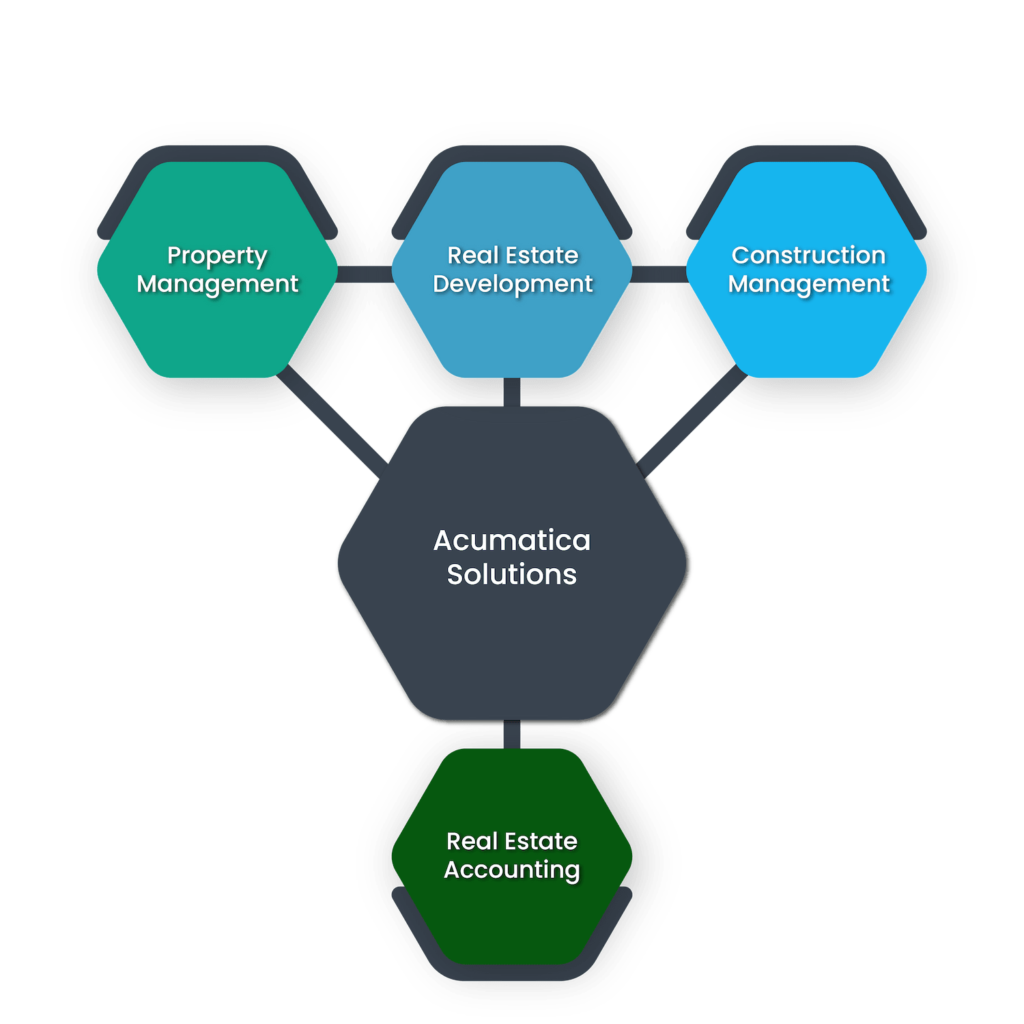
Excel is a calculation tool. Real estate software for commercial portfolios is operational infrastructure. It centralizes lease management, asset tracking, and financial reporting inside one structured platform. Instead of manually reconciling data across multiple files, updates flow automatically. This reduces reporting errors and improves transparency. Platforms like Elevate provide controlled access, audit trails, and standardized workflows that spreadsheets cannot offer. For growing commercial portfolios, the difference becomes clear as complexity increases.
Mid-sized portfolios often experience the most strain because they are large enough to be complex but not yet supported by enterprise systems. Commercial property management software introduces structure before inefficiencies compound. Even firms managing a handful of office or retail assets benefit from integrated lease tracking and financial modeling. Early adoption of real estate software for commercial portfolios supports disciplined growth rather than reactive fixes.
Investors expect clarity and consistency. Portfolio management platforms consolidate lease performance, operating expenses, and capital data into standardized reports. Because projections connect directly to live lease data, outputs remain aligned. Elevate allows finance teams to generate accurate reports without rebuilding models each month. This strengthens investor confidence and reduces friction during audits or refinancing.
Yes. Many commercial real estate platforms integrate development tracking with asset performance. Budget monitoring, draw schedules, and lease-up progress can be managed alongside stabilized operations. When development and portfolio data exist in one system, return projections are easier to analyze. Real estate software for commercial portfolios provides continuity from construction through long-term ownership.
Over time, structured systems improve forecasting accuracy, reduce operational risk, and enhance decision-making. Teams spend less time reconciling data and more time evaluating strategy. With platforms like Elevate, leadership gains clearer visibility into lease exposure, capital planning, and portfolio performance. That discipline supports scalable growth and stronger relationships with investors and lenders.
Standard features include real-time budget tracking, forecasting, commitment management, reporting dashboards, and system integrations.
We use cookies to improve your experience on our site. By using our site, you consent to cookies.
Manage your cookie preferences below:
Essential cookies enable basic functions and are necessary for the proper function of the website.
These cookies are needed for adding comments on this website.
Google reCAPTCHA helps protect websites from spam and abuse by verifying user interactions through challenges.
Google Tag Manager simplifies the management of marketing tags on your website without code changes.
Statistics cookies collect information anonymously. This information helps us understand how visitors use our website.
Google Analytics is a powerful tool that tracks and analyzes website traffic for informed marketing decisions.
Service URL: policies.google.com (opens in a new window)
You can find more information in our Cookie Policy and .

Imagine a single commercial property management software platform to develop and manage the end-to-end daily operations of all your real estate assets.