Construction projects have always involved multiple moving parts. Budgets, schedules, vendors, contracts, and approvals must stay aligned while conditions on the ground change daily. For commercial real estate developers and owners, managing this complexity with disconnected tools often leads to delays, cost overruns, and limited visibility into project performance.
Technology is reshaping how construction teams operate by centralizing project data and connecting financial and operational workflows. Modern Construction Management Software gives developers greater control over timelines, costs, and reporting while supporting collaboration across internal teams and external partners.
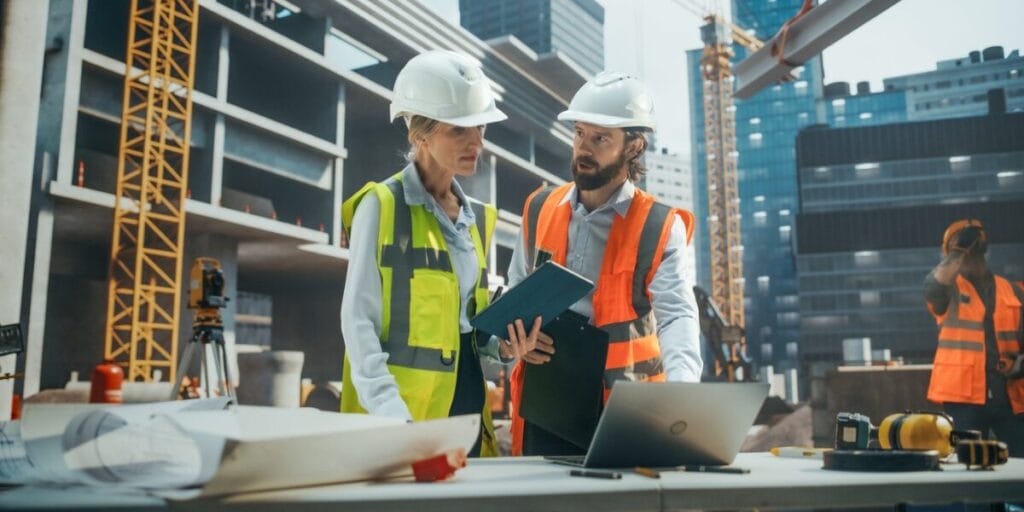
Many construction teams still rely on spreadsheets, email chains, and separate accounting systems to manage projects. While these tools may work for smaller jobs, they struggle to support large-scale commercial developments where multiple entities and stakeholders are involved.
Construction management software replaces fragmented workflows with a unified platform that connects budgeting, scheduling, commitments, and financial tracking. Instead of reconciling data across systems, teams work from a shared source of information that reflects current project conditions.
This centralized approach helps reduce manual work and improves consistency across construction and development activities.
One of the most impactful changes technology brings to construction management is real-time visibility. Project managers and finance teams no longer need to wait for end-of-month reports to understand where a project stands.
With construction management software, teams can monitor budget activity, track committed costs, and compare planned versus actual spending as work progresses. This allows decision-makers to identify issues earlier and adjust resources before problems escalate.
For real estate developers managing multiple projects at once, this level of visibility supports better coordination and stronger financial oversight.
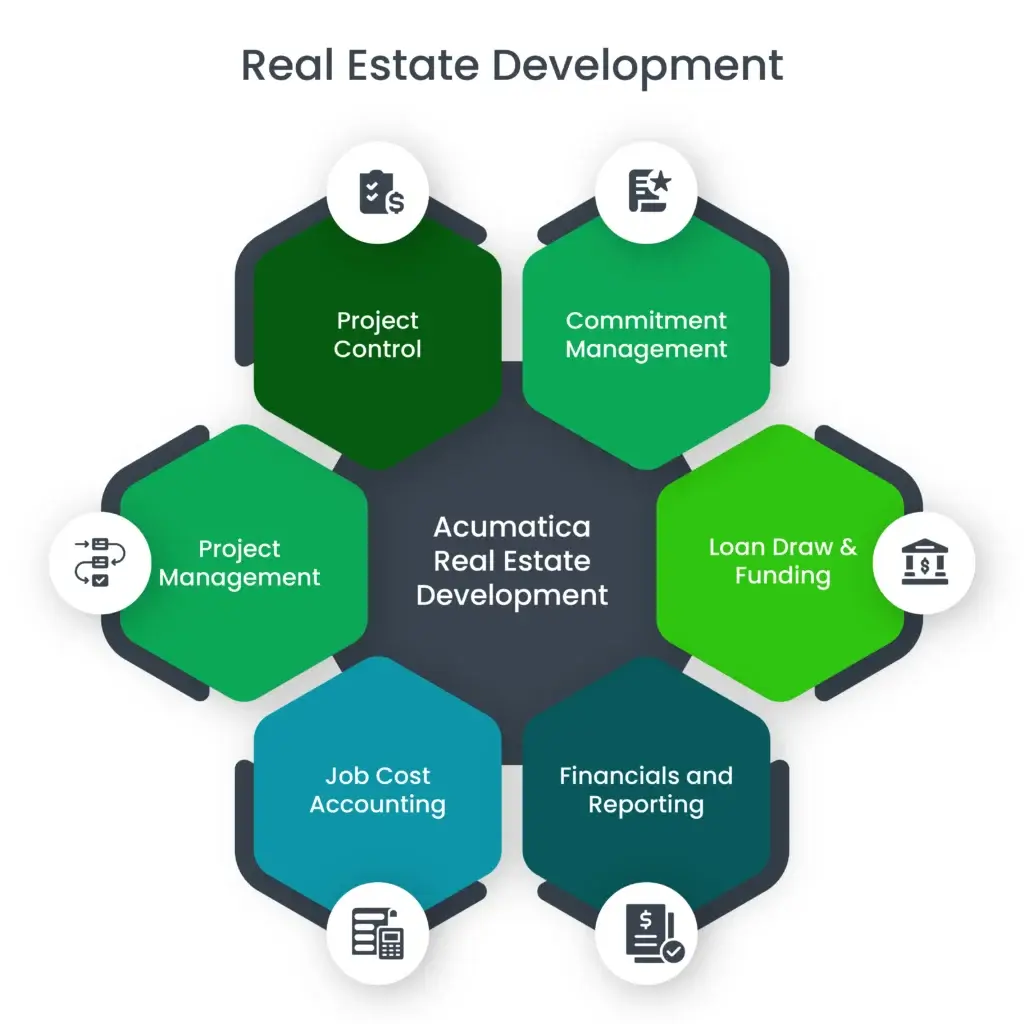
Construction projects do not operate in isolation. They are closely tied to development accounting, cash flow planning, and portfolio performance. When construction data lives outside financial systems, it creates gaps that slow reporting and increase risk.
Modern construction management software connects construction operations directly with financial data. Contracts, change orders, and invoices flow into accounting workflows without duplication. This improves accuracy and shortens reporting cycles for internal teams and external stakeholders.
By linking construction activity with financial reporting, developers gain a clearer view of how each project impacts the broader investment strategy.
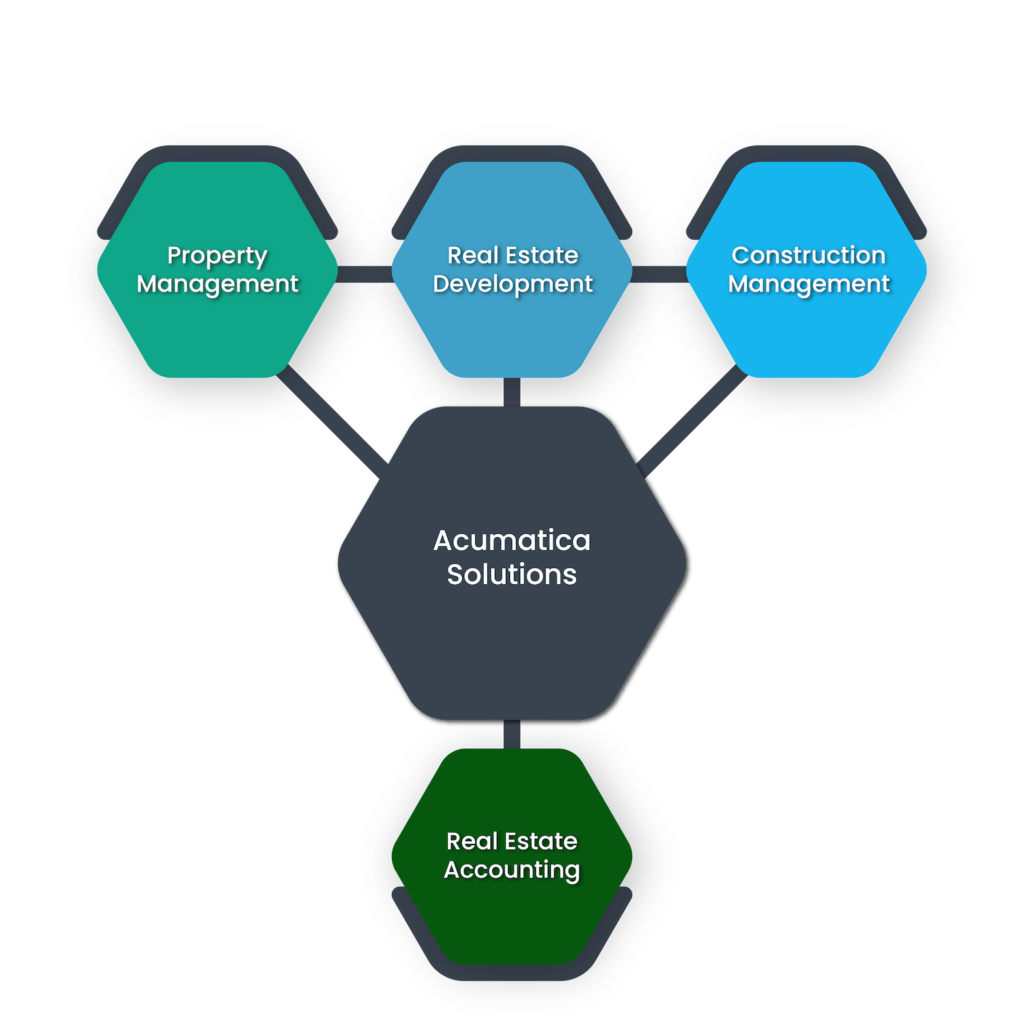
Construction projects involve a wide network of participants, including project managers, contractors, consultants, and ownership teams. When communication happens across disconnected tools, important details are often missed.
Technology supports better collaboration by keeping project information accessible in one place. Teams can review documents, track approvals, and reference updated data without relying on email threads or outdated files.
Construction Management Software also supports accountability by maintaining clear records of commitments and changes, helping teams stay aligned throughout the project lifecycle.

As real estate portfolios grow, construction management becomes more complex. Managing additional projects with manual processes often leads to inconsistent reporting and increased administrative workload.
Construction management software is built to scale with growing operations. Developers can manage multiple projects, entities, and stakeholders within a consistent framework. Standardized workflows help teams maintain control as volume increases without adding unnecessary overhead.
This scalability is especially valuable for firms managing office, retail, industrial, or mixed-use developments across multiple locations.
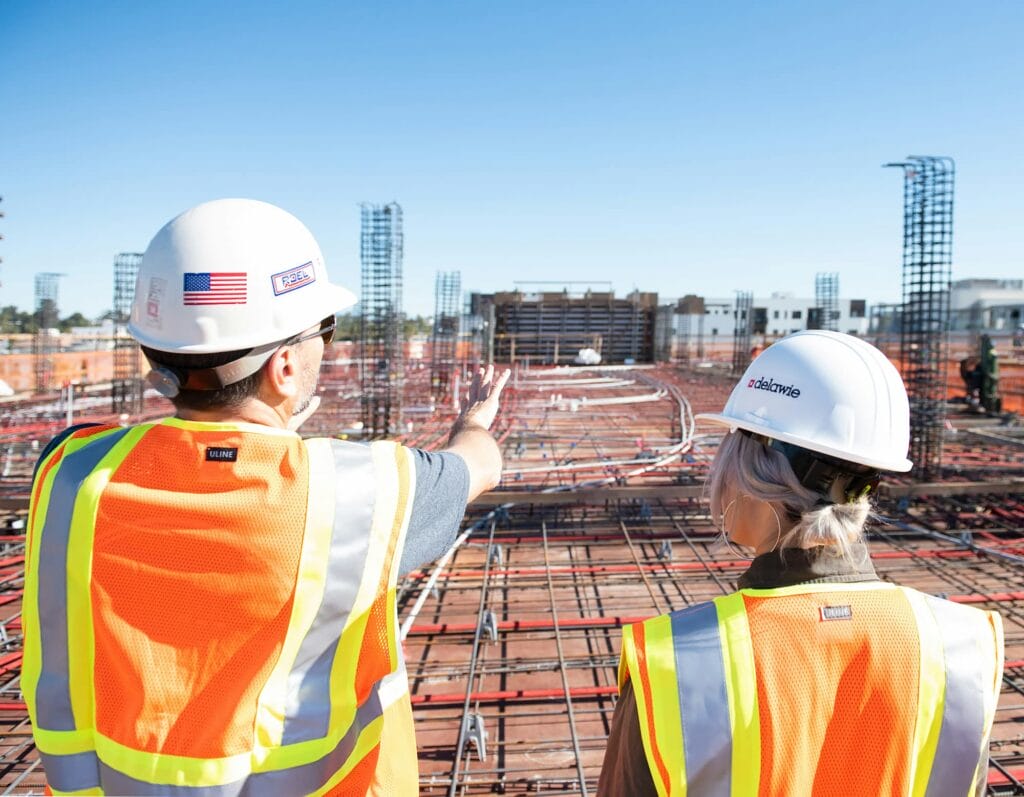
Cloud-based management platforms support accessibility and flexibility across project teams. Authorized users can access up-to-date information from the office or the field, improving coordination and response times.
Cloud deployment also supports integration with other real estate systems, allowing construction data to connect with leasing, property management, and investment reporting tools. This creates a more cohesive operational environment across the entire property lifecycle.
Technology is no longer a support function for construction teams. It plays a direct role in cost control, schedule management, and financial transparency. Firms that adopt integrated construction management platforms are better positioned to manage risk and maintain consistency across projects.
Construction management software supports stronger governance, clearer reporting, and more informed decision-making for real estate developers and owners focused on long-term performance.
As construction projects grow in scale and complexity, disconnected tools limit visibility and slow decision-making. Centralizing construction and financial workflows gives real estate teams clearer insight into project performance and stronger control over budgets and schedules.
For developers and owners seeking better coordination, improved reporting, and scalable operations, an integrated construction management platform like Elevate supports disciplined project execution across the entire development lifecycle.
Construction Management Software is a digital platform that helps real estate teams plan, track, and control construction projects. It centralizes budgets, schedules, contracts, and financial data, allowing teams to manage projects more efficiently and maintain visibility across construction and development activities.
The software tracks committed costs, actual spending, and budget changes in real time. This allows teams to compare planned versus actual performance throughout the project, helping reduce surprises and improve financial discipline across construction operations.
Yes. Modern construction management platforms are designed to integrate with accounting and development systems. This connection allows construction data, such as contracts and invoices, to flow directly into financial workflows, reducing manual entry and improving reporting accuracy.
Commercial real estate developers, owners, and asset managers benefit most from construction management software. It is especially valuable for teams managing multiple projects, entities, or investors who need consistent reporting and centralized project oversight.
Construction Management Software supports growth by standardizing workflows and centralizing project data. As portfolios expand, teams can manage additional projects without adding disconnected tools, maintaining consistency across construction and development operations.
Standard features include real-time budget tracking, forecasting, commitment management, reporting dashboards, and system integrations.
We use cookies to improve your experience on our site. By using our site, you consent to cookies.
Manage your cookie preferences below:
Essential cookies enable basic functions and are necessary for the proper function of the website.
These cookies are needed for adding comments on this website.
Google reCAPTCHA helps protect websites from spam and abuse by verifying user interactions through challenges.
Google Tag Manager simplifies the management of marketing tags on your website without code changes.
Statistics cookies collect information anonymously. This information helps us understand how visitors use our website.
Google Analytics is a powerful tool that tracks and analyzes website traffic for informed marketing decisions.
Service URL: policies.google.com (opens in a new window)
You can find more information in our Cookie Policy and .

Imagine a single commercial property management software platform to develop and manage the end-to-end daily operations of all your real estate assets.